
by Simoné Cloete
by Simoné Cloete
Before the war began, international opinion was against Britain’s handling of the Boer republic issue.[i] France, Holland, Belgium, Germany and Russia held strong anti-British feeling which was intensified with the great disparity between the military strength of the British Empire and the Boer republics.[ii] The Boers facing the might of a great empire appealed to the international audience on an emotional scale, as a contemporary David and Goliath tale.[iii] The international response became even greater and more impassioned when the women and children were forcibly removed from their homes and taken to concentration camps. The need for the establishment of the camps arose when the war entered its second phase of guerrilla war.[iv] Guerrilla warfare made use of small fast-moving units to inflict maximum damage including attacks on railway lines which crippled the British war effort.[v]
The Boer Commandos possessed unrivalled knowledge of the landscape.[vi] This knowledge combined with their composition as fast-moving units gave the Boers a valuable upper hand against the British Military.[vii] The Boers’ mobility and ability to resupply their food and ammunition from farmsteads and rural communities was also an advantage.[viii][ix] The British High Command sought to remedy this problem by removing any source of resupply, forcing the Boers to go hungry without access to fresh ammunition.[x] Therefore, Lord Roberts instituted house burning with the Scorched Earth Policy.[xi]
Lord Roberts issued a proclamation on 13 March 1900, inviting the Boers to lay down their arms and sign an oath of neutrality.[xii] About a third of fighting men made use of this offer and were called the ‘protected burghers’.[xiii] Due to the increased railway attacks, Roberts issued a proclamation in June 16, 1900 that for every railway attack, the nearest farmstead will be burnt down.[xiv][xv] The attacks increased, and so did the reprisals, with farmsteads within a 16 km radius being burnt.[xvi] This policy was intensified when Kitchener took control and entire farms were destroyed and all livestock slaughtered as a reprisal for Boer raids.[xvii]
Women and children were forcibly turned out of their houses with a few possessions, and then the farmstead would be set alight.[xviii] The livestock would either be commandeered or simply slaughtered in a horrific manner.[xix] The reasoning for this tactic was to force the Boers to surrender. By cutting off their supply of food and support, Roberts and Kitchener believed this would work, however it only hardened the resolve of the Boers that they must fight against this tyranny and fight for their freedom. Boer artilleryman Gustav Preller wrote of his experience when the women were taken away. ‘Now that our own food supply is getting so scarce, we see what a service the English have done us by taking our women folk’.[xx] This quote demonstrates that the removal of families and source of resupply did have a significant negative impact on the fighting Boers.
The farm burnings and livestock killings intensified under Lord Kitchener who ordered the indiscriminate destruction of all Boer homesteads, which left the Transvaal and Free State devastated.[xxi] The ‘protected burghers’ who signed the oath of neutrality were placed in refugee camps and would be housed and fed by the British Army.[xxii][xxiii] The same camps were used to house the non-combatants displaced by farm-burning.[xxiv] ‘Undesirables’ was the term given to the women and children whose men were still fighting or prisoners of war.[xxv] These ‘undesirables’ were given less rations than others in the camps and quickly outnumbered the ‘protected burghers’.[xxvi]
International depiction of ‘Liberator’ De Wet & ‘Villain’ Kitchener
There were many military leaders on both sides, however, few captured the imagination of the public as the elusive and legendary General Christiaan de Wet and Herbert Kitchener, 1st Earl Kitchener. Both men were highly regarded among their countrymen as military leaders.[xxvii] One, a legendary elusive Boer hero taking on the striking, harsh Lord Kitchener. Their life stories could not be more different as De Wet had humble beginnings and Kitchener had a European education and extensive military training and experience.[xxviii]
General Christiaan de Wet
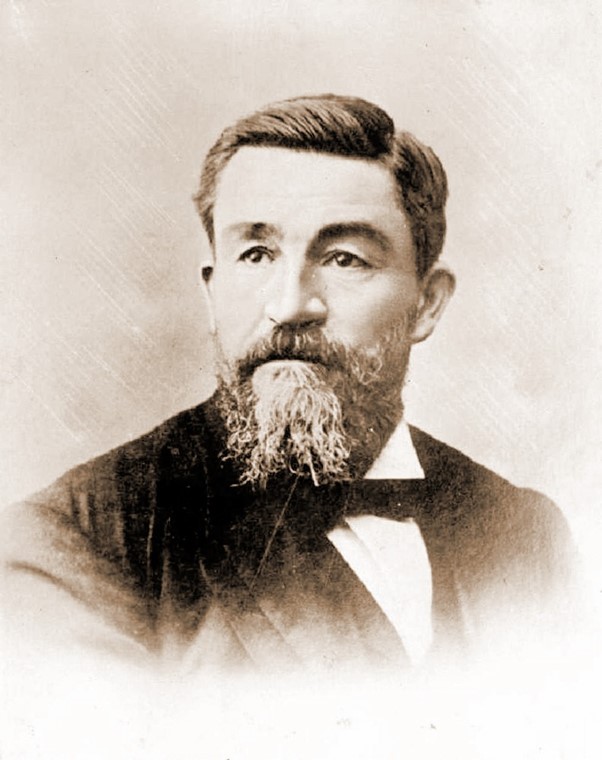
Image 3: Photograph of General Christiaan De Wet
Christiaan de Wet was a farmer and came from a farming community in the Orange Free State.[xxix] Before the outbreak of war, 45-year-old De Wet bought the white Arab Horse named ‘Fleur’ that would carry him through many battles for the duration of the War.[xxx] After the outbreak of war, De Wet and his sons joined the Heilbron Commando and launched offensives in the guerrilla style which secured him legendary status.[xxxi] De Wet escaped the British many times and proved an elusive enemy.[xxxii][xxxiii]
The photograph of De Wet is a simple portrait which could have been used privately in the family home, or as the image of him as leader. He is neatly dressed, however not extravagantly and he is not in a military uniform. His beard, dark clothing and solemn image was in line with the expected image of a Boer leader during this period.[xxxiv] He represented the average Afrikaner Boer man who would protect his family and his land at any cost.
The poster of De Wet illustrates his position as leader and mythical figure who evades the enemy and was created for public consumption by French satirist Jean Veber. His horse, Fleur, is depicted as a mythical winged horse such as Pegasus in Greek mythology. Veber reinforces the mythical idea of De Wet escaping capture as though he disappeared on his winged horse, unable to be captured by conventional means.
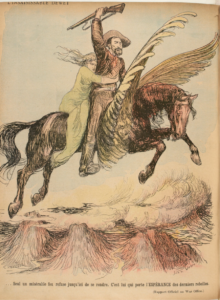
Image 4: Christiaan de Wet Poster, Jean Veber, ‘L’Assiette au beurre’, 28 September 1901
‘Elusive de Wet. Only a miserable madman refuses to surrender so far. They carry the HOPE of the last rebels.’
De Wet’s arm is thrust forcefully and defiantly into the sky, holding his weapon while the female figure clings to him, grateful for her saviour. No doubt grateful that she was saved from the horrors of the concentration camps or a harsh solitary existence in the wilderness. ‘It is he who carries hope for the last rebels’.[xxxv]This phrase can be interpreted that he will continue to fight, or that the woman on his horse represents women as the hope for the future. Afrikaner women were traditionally seen as important figures in the family, especially as child bearers and moral leaders as is in line with the Calvinist religious views which made the men more determined to fight for their families and their freedom from oppression.[xxxvi] When the Boers learned of the fate of their farms and their family’s internment in the concentration camps it only encouraged them even more to continue fighting.[xxxvii] By placing the women in the subordinate, yet grateful position, Veber used traditional chivalry to protect the fairer and helpless sex. Women were of course not helpless, apparent in the threat they posed to the British war effort, but the imagery helped to create sympathy for their cause which further created public international outrage at their conditions.[xxxviii]
The French newspapers also followed the war in South Africa very closely. Le Petit Journal was a conservative Parisian newspaper and one of France’s four major dailies.[xxxix] The front page of this issue commented on the exploits of De Wet. He was seen as the most formidable of all the Boer generals.[xl] This particular scene illustrated the capture of a British army camp at Tweefontein in a surprise attack known as the Battle of Groenkop.[xli] The British troops are portrayed as surprised and even disorganised with a far greater number of soldiers than the attacking Boers who seem to have the upper hand.[xlii]
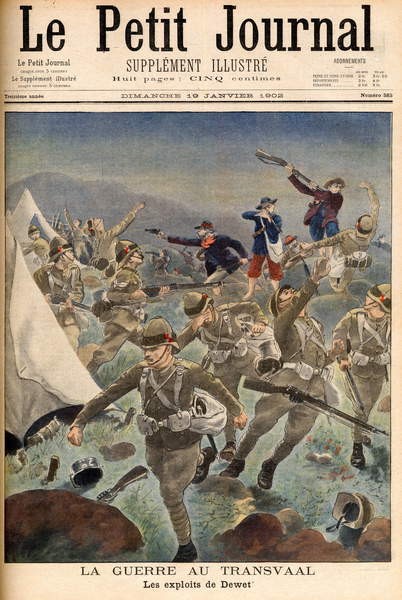
Image 5: De Wet’s exploits, Illustration for Le Petit Journal, 19 January 1902 [xliii][xliv]
De Wet was seen as a formidable foe by Roberts, which he communicated in a letter to Kitchener in June 1900.
We must put a stop to these raids on our railway and telegraph lines, and the best way will be to let the inhabitants understand that they cannot be continued with impunity. Troops are now available and a commencement should be made tomorrow by burning De Wet’s farm… He like all Free Staters now fighting against us is a rebel and must be treated as such. Let it be known all over the country that in the event of any damage being done to the railway or telegraph the nearest farm will be burnt to the ground.
Letter from Lord Roberts to Lord Kitchener, 14 June 1900 [xlv]
Roberts gave direct orders to burn De Wet’s family farm as a reprisal for the railway and telegraph sabotage.[xlvi] De Wet was one of the ‘Bitter enders’ who fought to the last, but eventually agreed to peace terms.[xlvii] De Wet, General J H de la Rey and General Louis Botha left for Europe in 1902 where they raised funds for the reconstruction of the country.[xlviii] On arrival in Southampton, they experienced none of the animosity that existed at the start of the war.[xlix] They were treated as heroes, reflecting the popular admiration for their exploits.[l]. The trio were introduced to King Edward VII by Lord Kitchener on his royal yacht.[li] They then continued their tour to Holland, Belgium, and France where they were greeted with joyful festivities as they met with state officials.[lii] It made news around the world with The Royal Gazette in Bermuda and the Fairplay Flume of Colorado commenting on their European tour which made front page news.[liii][liv]
The frontpage story of the Le Petit Journal in October 1902 illustrate the joyful festivities with which the three Boer Generals were met.[lv] This response was mirrored across their European tour, however, General Louis Botha commented that “…[w]e have not come in order to take part in any festivities. We represent an extremely unhappy people. We are unhappy, because we fought for our freedom and independence, as in duty bound.”[lvi]
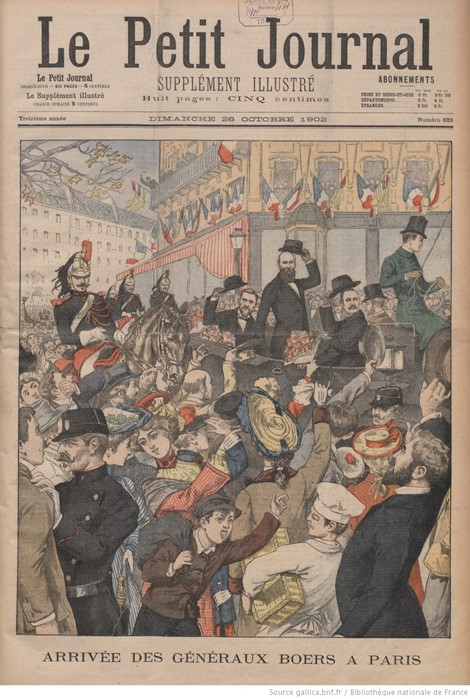
Image 6: Arrival of Boer Generals De Wet, Botha and De La Rey in Paris, 26 October 1902, Le Petit Journal
Horatio Herbert Kitchener, Earl Kitchener of Khartoum
Kitchener was described as an ambitious, dominating figure with a ‘Herculean’ personality.[lviii] Kitchener has long been depicted as the ‘father’ of British concentration camps, however other district commissioners had also ordered the removal of women and children in rural areas who were passing information to the Boers.[lix] Kitchener attempted to smash Boer resolve and intensified farm burnings: 30 000 Boer farmhouses and more than 40 towns were destroyed.[lx] The view established by French artist Jean Veber illustrates the biased yet harsh reality of the scorched earth policy. In January 1901, Kitchener began the ‘drives’ or ‘clean sweeps’ to systematically rid the district of guerrilla fighter Boers and civilians alike.[lxi]
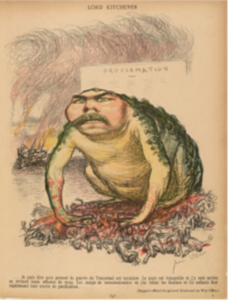
Image 7: Kitchener Poster by Jean Veber, ‘L’Assiette au beurre’, 28 September 1901
‘I can say that now the Transvaal war is over. The country is peaceful, and I achieved this without any bloodshed. The reconcentration camps where I have brought together women and children quickly do their work of pacification’
Veber portrays Kitchener as a harsh and grotesque toad. The image contains a proclamation which ordered farms and homesteads to be burned to the ground. In the background, the rising smoke and the last pieces of a farmstead disappearing in flames. The irony of the phrase highlights that the farm burning did not end the war as the war would drag on until May 1902. The image of Kitchener as a heartless toad crushing women and children beneath his claws illustrate the outrage the artist, as well as those opposed, like Emily Hobhouse, felt at the unnecessary and horrible treatment of the women and children.
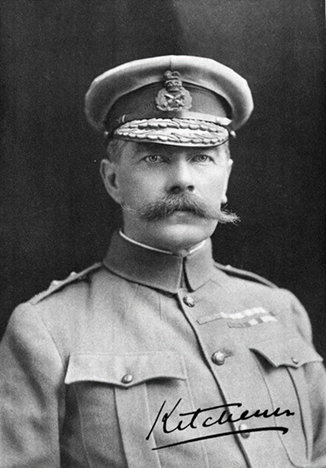
Image 8: Kitchener in South Africa, 1901
The official portrait of Kitchener placed him in a different light than De Wet. The photograph was formal and meant for public display as an Imperial war hero and a man to be admired, revered, and feared. His military uniform and the various badges emphasised the importance of his rank and the power that held. Emily Hobhouse campaigned extensively to publicize the conditions in the camps.[lxii] Kitchener despised Hobhouse and the trouble she was causing, resulting in her being referred to as ‘that bloody woman’.[lxiii] Despite the tragic loss of life and the drawn-out war, Kitchener received a hero’s welcome when he returned to Britain in July 1902.[lxiv]
Scorched Earth Policy
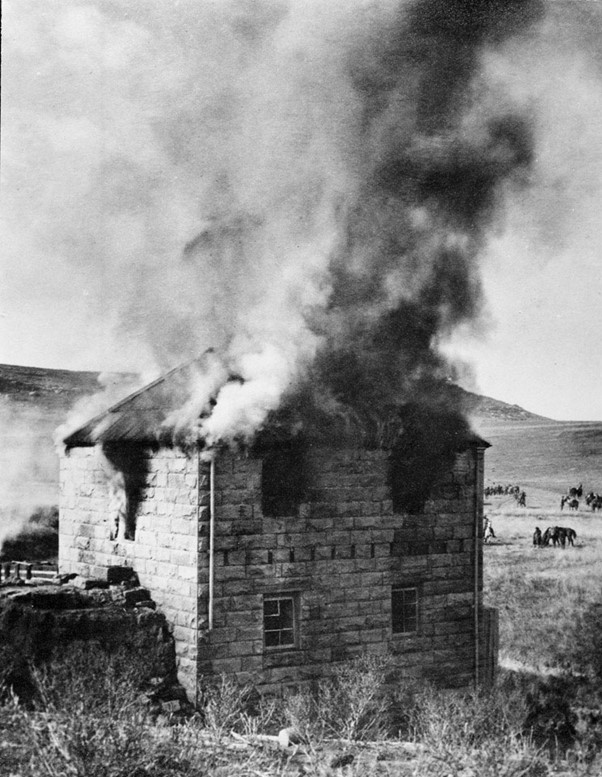
Image 9: A Boer Farm Burning, 1901
The farm burnings were extremely traumatic for the families who were turned out of their home with minimal personal belongings, only to witness the destruction of their home and their land.[lxv] Farms had been in families for generations since the Groot Trek or Great Trek of 1836.[lxvi] Family heirlooms such as valuable furniture and ceramics were destroyed, along with the memories they held.[lxvii] Some families buried their family heirlooms before the British came and would return after the war to dig them up.[lxviii] Unfortunately, some families would never return from the concentration camps, the battlefield, or the prisoner of war camps.
The Scorched Earth Policy and the construction of the camps had to be defended in the public sphere. The British authorities stressed the humanitarian motive for establishing the camps. Colonial Secretary Chamberlain contended that the camps were the only humane alternative to leaving women and children in the ‘desert veld’, when he addressed the House of Commons.[lxix] Renowned writer Arthur Conan Doyle volunteered as a doctor in Langman Hospital in Bloemfontein in 1900.[lxx] He enthusiastically supported the British side and insisted that the camps were ‘the most humane plan possible’.[lxxi] He wrote of his experiences and defended British policy in The Great Boer War (1900) and in The War in South Africa: its Cause and Conduct (1902).[lxxii]
Transportation to the Camps
Over 30,000 Boer farmhouses and the partial and complete destruction of more than forty towns ensued.[lxxiii] With entire farms, homes and livelihoods destroyed, women and children became homeless internally displaced persons or simply, refugees. By September 1900 it was decided that special camps had to be established to take care of the growing refugee crisis.[lxxiv] The reasoning behind the establishment of the camps was not only to house refugees created by British military action, but also to remove Boer women who played a militant role in Boer society.[lxxv]
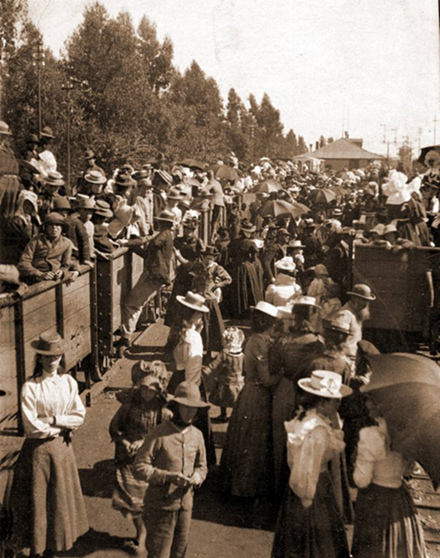
Image 10: Train with women and Children Being Taken from Johannesburg to Barberton
The photograph shows a throng of Boer women and children still neatly dressed and clean, awaiting their turn to board the train. The scramble and chaos signify the disorder when the call was made to deport women and children to hastily constructed camps. The train station pictured in the photograph was headed from Johannesburg to Barberton, nearly 360 kilometres away.[lxxvi] The photograph was not staged and shows the spontaneous movement and actions of the people on the siding. The photograph has no photographer listed, but due to the unique angle of the camera looking down on the crowd, it may have been taken by a journalist with the purpose of reporting on the transportation of women and children to the camps. These people were in ignorance of how many of them, especially the children, would not survive the coming years.
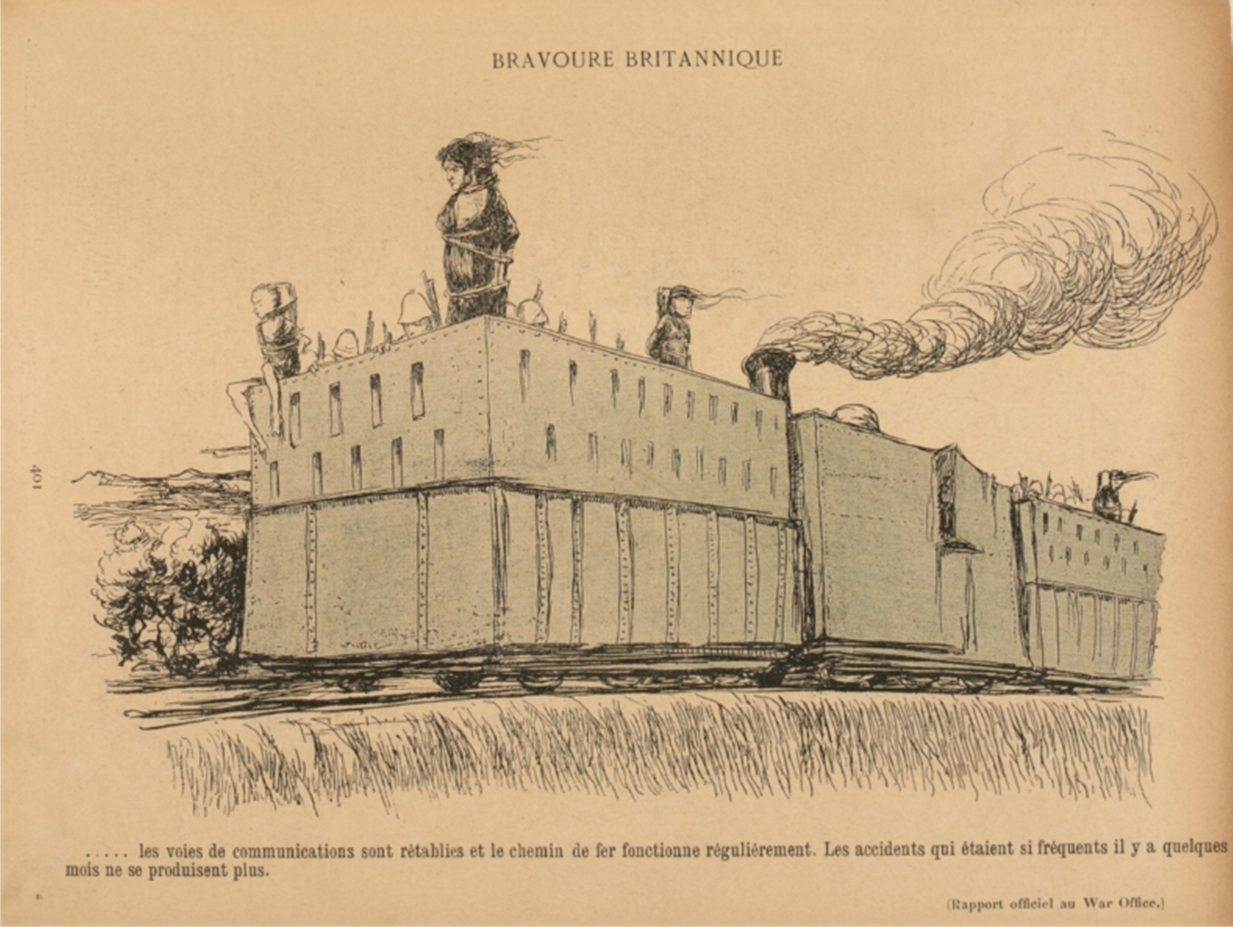
Image 11: Train Poster, Jean Veber, ‘L’Assiette au beurre’, 28 September 1901
‘British Bravery. Communication lines are restored, and the railway operates regularly. The accidents that were so common a few months ago no longer happen.’
Veber took a much harsher view of the transportation of the women and children. The train resembles a fortress from which war can be waged. The women and children are tied to the sides and the ‘brave’ British soldiers hide behind them.[lxxvii] The train illustrated was an armoured train which had regularly been attacked or sabotaged by the Boers.[lxxviii] The accidents referred to in the poster were the blowing up or blocking of the railway lines with boulders which would cause derailment and injury, capture or even death.[lxxix] Now the British were transporting the Boers’ families on those very tracks to camps far away from their homes. If the Boers were to attack the trains, they would attack their own women and children and the casualties would be great. It therefore questions the bravery and gallantry of the British soldiers.
The emotive photograph and poster of women and children being taken away on trains connects quite strikingly with the Holocaust and the deportation of Jews and other undesirables or political prisoners of the Third Reich.[lxxx] The motives behind both events are completely different which will be made very clear, but a modern eye that knows about both incidents, cannot help but see the similarity.
The photograph of Jews transported from Romania to Birkenau, Poland on 27 May 1944 have striking resemblances.[lxxxi] The women and children were also civilians, removed from their home against their will and imprisoned without a trial.[lxxxii]
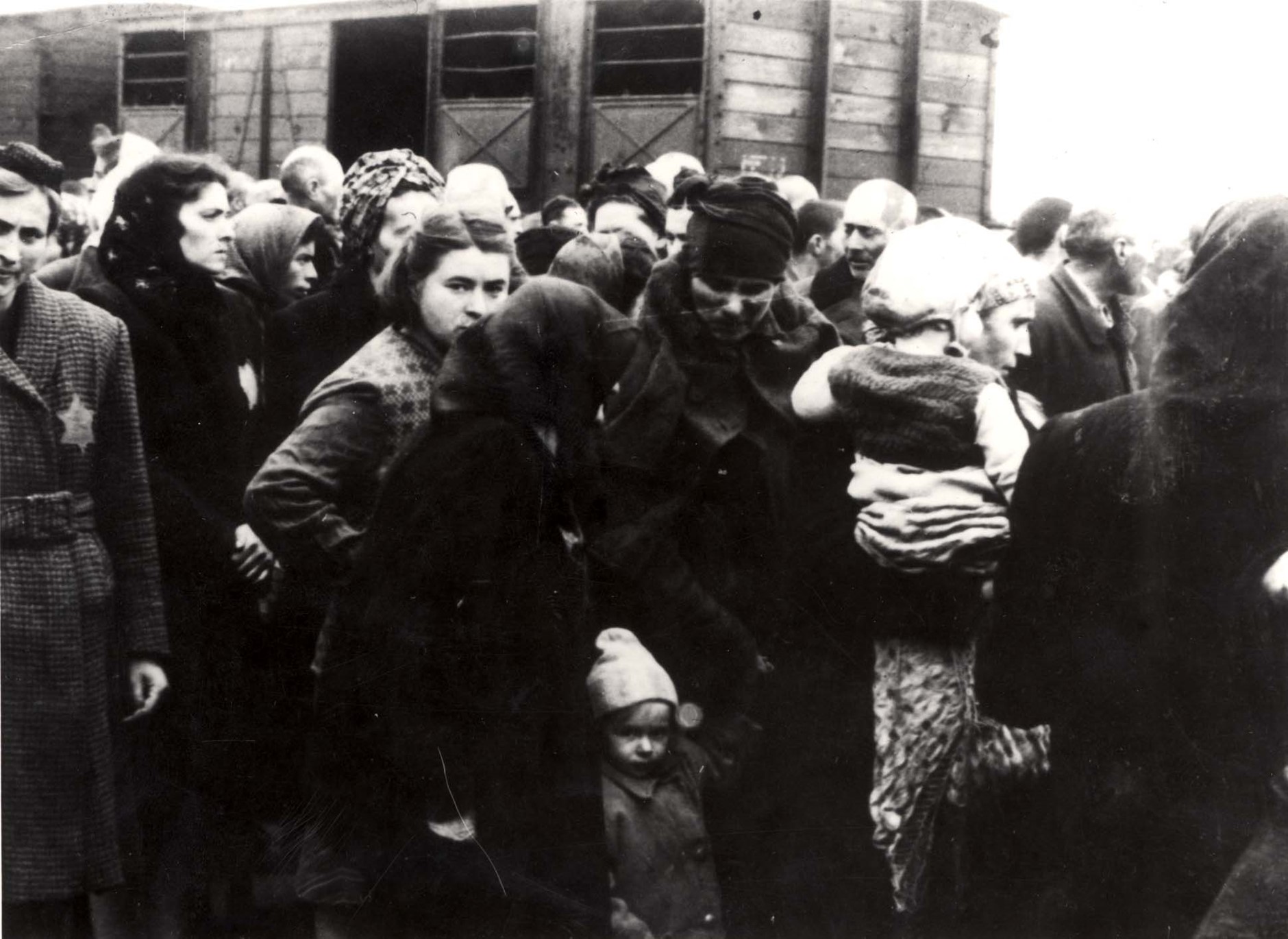
Image 12: Jews alighting from a train at Birkenau, Poland, 27 May 1944, Courtesy of the Yad Vashem World Holocaust Remembrance Centre

[i] Smurthwaite, p. 56.
[ii] Smurthwaite, p. 56.
[iii] Smurthwaite, p. 56.
[iv] ‘Boer War | National Army Museum’.
[v] ‘Boer War | National Army Museum’.
[vi] Smurthwaite, p. 144.
[vii] Smurthwaite, p. 144.
[viii] ‘Boer War | National Army Museum’.
[ix] Smurthwaite, p. 144.
[x] Smurthwaite, p. 144.
[xi] Judd and Surridge, p. 194.
[xii] Fransjohan Pretorius, ‘Concentration Camps in the South African War? Here Are the Real Facts’, The Conversation <http://theconversation.com/concentration-camps-in-the-south-african-war-here-are-the-real-facts-112006> [accessed 15 March 2022].
[xiii] Pretorius.
[xiv] Pretorius.
[xv] Claudia Mendes, ‘The Concentration Camps of the Anglo-Boer War’, WAR HISTORY ONLINE, 2019 <https://www.warhistoryonline.com/history/concentration-camps-anglo-boer.html> [accessed 5 May 2022].
[xvi] Pretorius.
[xvii] Smurthwaite, p. 144.
[xviii] Pretorius.
[xix] Smurthwaite, p. 145.
[xx] Smurthwaite, p. 147.
[xxi] Pretorius.
[xxii] Krebs, p. 39.
[xxiii] Pretorius.
[xxiv] Krebs, p. 39.
[xxv] Pretorius.
[xxvi] Pretorius.
[xxvii] ‘Boer War | National Army Museum’.
[xxviii] ‘Anglo-Boer War Museum’ <https://www.wmbr.org.za/view.asp?pg=research&pgsub=role&pgsub1=4&head1=General%20C.R.%20De%20Wet> [accessed 5 May 2022].
[xxix] ‘Christiaan Rudolf De Wet | South African History Online’ <https://www.sahistory.org.za/people/christiaan-rudolf-de-wet> [accessed 3 March 2022].
[xxx] ‘Christiaan Rudolf De Wet | South African History Online’.
[xxxi] ‘Christiaan Rudolf De Wet | South African History Online’.
[xxxii] Judd and Surridge, pp. 188, 189.
[xxxiii] Judd and Surridge, p. 191.
[xxxiv] Smurthwaite, p. 18.
[xxxv] Jean Veber, ‘L’Assiette au beurre’, 1901, Bibliothèque nationale de France.
[xxxvi] Smurthwaite, p. 16.
[xxxvii] Smurthwaite, p. 151.
[xxxviii] ‘Boer War | National Army Museum’.
[xxxix] ‘Le Petit Journal. Supplément Du Dimanche’, Gallica, 1902 <https://gallica.bnf.fr/ark:/12148/bpt6k716470z> [accessed 5 May 2022].
[xl] ‘Bridgeman Education’, Bridgeman Education <https://www-bridgemaneducation-com.bathspa.idm.oclc.org/en/asset/4158744/summary?context=%7B%22route%22%3A%22assets_search%22%2C%22routeParameters%22%3A%7B%22_format%22%3A%22html%22%2C%22_locale%22%3A%22en%22%2C%22filter_text%22%3A%22XEE4158744%22%7D%7D> [accessed 5 May 2022].
[xli] ‘Bridgeman Education’.
[xlii] ‘Le Petit Journal. Supplément Du Dimanche’.
[xliii] ‘Bridgeman Education’.
[xliv] ‘Le Petit Journal. Supplément Du Dimanche’.
[xlv] ‘Boer War | National Army Museum’.
[xlvi] ‘Boer War | National Army Museum’.
[xlvii] ‘Anglo-Boer War Museum’.
[xlviii] ‘Anglo-Boer War Museum’.
[xlix] Lodewyk Verhoef.
[l] Lodewyk Verhoef.
[li] Engelenburg Dr F.V., General Louis Botha (Pretoria: J. L. Van Schaik Limited Publishers, 1929), p. 103, https://repository.up.ac.za/handle/2263/12638.
[lii] Dr F.V., p. 104.
[liii] ‘The Royal Gazette: Bermuda Commercial and General Advertiser and Recorder’, 1902 <https://bnl.contentdm.oclc.org/digital/collection/BermudaNP02/id/31101/> [accessed 6 May 2022].
[liv] ‘The Fairplay Flume August 22, 1902 — Colorado Historic Newspapers Collection’ <https://www.coloradohistoricnewspapers.org/?a=d&d=FPF19020822.2.7&e=——-en-20–1–img-txIN%7ctxCO%7ctxTA——–0——> [accessed 6 May 2022].
[lv] ‘Le Petit Journal. Supplément Du Dimanche’, Gallica, 1902 <https://gallica.bnf.fr/ark:/12148/bpt6k7165106> [accessed 6 May 2022].
[lvi] Dr F.V., p. 104.
[lvii] ‘Le Petit Journal. Supplément Du Dimanche’.
[lviii] ‘Kitchener, Horatio Herbert, Earl Kitchener of Khartoum (1850–1916), Army Officer’, Oxford Dictionary of National Biography <https://doi.org/10.1093/ref:odnb/34341>.
[lix] Kreienbaum, p. 69.
[lx] ‘The War | South African History Online’ <https://www.sahistory.org.za/article/war> [accessed 9 May 2022].
[lxi] Kreienbaum, p. 30.
[lxii] ‘Hobhouse, Emily (1860–1926), Social Activist and Charity Worker’, Oxford Dictionary of National Biography <https://doi.org/10.1093/ref:odnb/38520>.
[lxiii] ‘Kitchener, Horatio Herbert, Earl Kitchener of Khartoum (1850–1916), Army Officer’.
[lxiv] ‘Kitchener, Horatio Herbert, Earl Kitchener of Khartoum (1850–1916), Army Officer’.
[lxv] ‘Anglo-Boer War Museum’ <https://www.wmbr.org.za/view.asp?pg=research&pgsub=camp&pgsub1=1&head1=Concentration%20Camps> [accessed 6 May 2022].
[lxvi] Smurthwaite, p. 14.
[lxvii] Nico Moolman, Karren-Melk Vir Ta’Nonnie (South Africa: Nico Moolman, 2015), p. 101.
[lxviii] Moolman, p. 101.
[lxix] Kreienbaum, p. 69.
[lxx] ‘Doyle, Sir Arthur Ignatius Conan (1859–1930), Writer’, Oxford Dictionary of National Biography <https://doi.org/10.1093/ref:odnb/32887>.
[lxxi] Kreienbaum, p. 69.
[lxxii] ‘Doyle, Sir Arthur Ignatius Conan (1859–1930), Writer’.
[lxxiii] ‘Anglo-Boer War Museum’.
[lxxiv] Smurthwaite, p. 148.
[lxxv] Smurthwaite, p. 150.
[lxxvi] ‘Anglo-Boer War Museum’ <https://www.wmbr.org.za/view.asp?pg=collections&pgsub=photo> [accessed 6 May 2022].
[lxxvii] Veber.
[lxxviii] Smurthwaite, p. 42.
[lxxix] Smurthwaite, p. 42.
[lxxx] ‘Nazi Concentration Camps’, Yad Vashem <https://www.yadvashem.org/search.html> [accessed 9 May 2022].
[lxxxi] Codrops, ‘Yad Vashem Photo Collections’ <https://photos.yadvashem.org/photo-details.html?language=en&item_id=102425&ind=7> [accessed 6 May 2022].
[lxxxii] ‘Nazi Concentration Camps’.