Trigger Warning: This project contains themes and images which some might find distressing. It contains images of concentration camps, buildings set alight, starvation, and children who have died.
“Women’s” war has its own colours, its own smells, its own lighting, and its own range of feelings. Its own words. There are no heroes and incredible feats, there are simply people who are busy doing inhumanly human things.”
Svetlana Alexievich
INTRODUCTION
General
introduction
The 2nd Anglo Boer War or South African War of 1899 – 1902 created the horrific, yet favourable circumstance for the establishment of the world’s first concentration camps. Similar ‘reconcentration’ of civilian populations had taken place in Cuba under the Spanish in 1895 – 98, however the British were the first to construct camps in an organised manner for the specific purpose of removing civilian women and children.
The road to War was a complicated escalation of tensions during the second half of the nineteenth century. Southern Africa consisted of the British Cape Colony and Natal and two northern Boer Republics; The Transvaal and the Orange Free State.
The road to War was a complicated escalation of tensions during the second half of the nineteenth century. Southern Africa consisted of the British Cape Colony and Natal and two northern Boer Republics; The Transvaal and the Orange Free State.
Before the war began, international opinion was against Britain’s handling of the Boer republic issue. France, Holland, Belgium, Germany and Russia held strong anti-British feeling which was intensified with the great disparity between the military strength of the British Empire and the Boer republics.
Concentration camps were established in the British colonies of the Cape and Natal, as well as in the Boer Republics of the Orange Free State and the Transvaal.
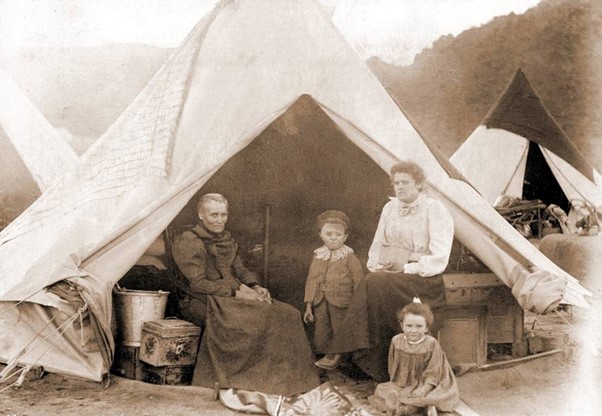
Two women and two children in a tent in the Norvalspont Camp
PART III
Liberty, Motherhood & Sacrifice
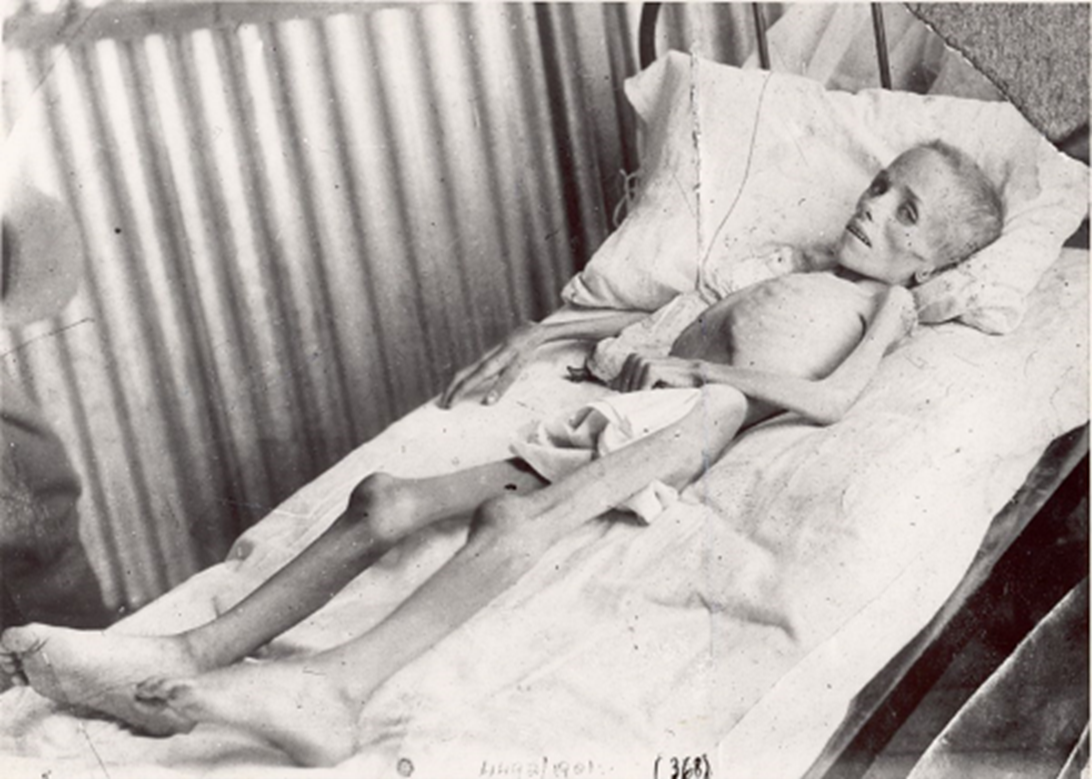
We will never forget the days of August and September 1901, and October, November and December — those months when we were more dead than living. O, we still see the many corpses buried each morning and afternoon — and all the children ….
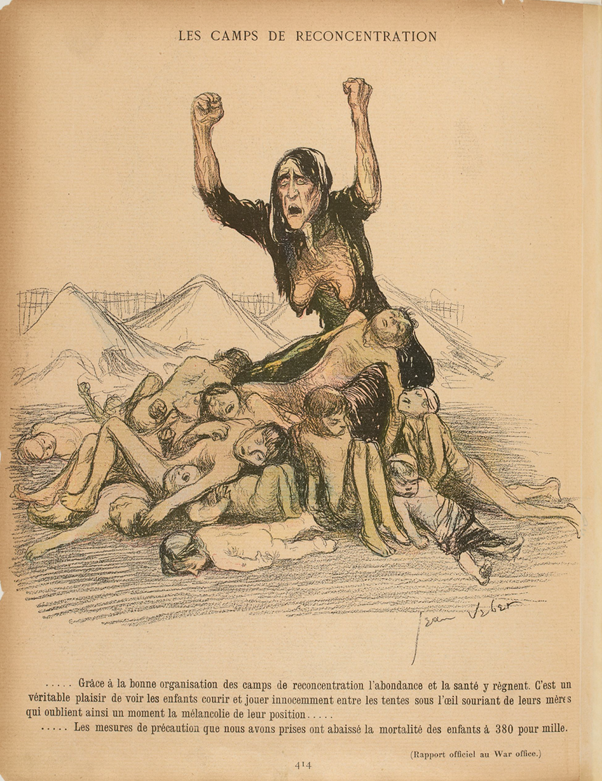
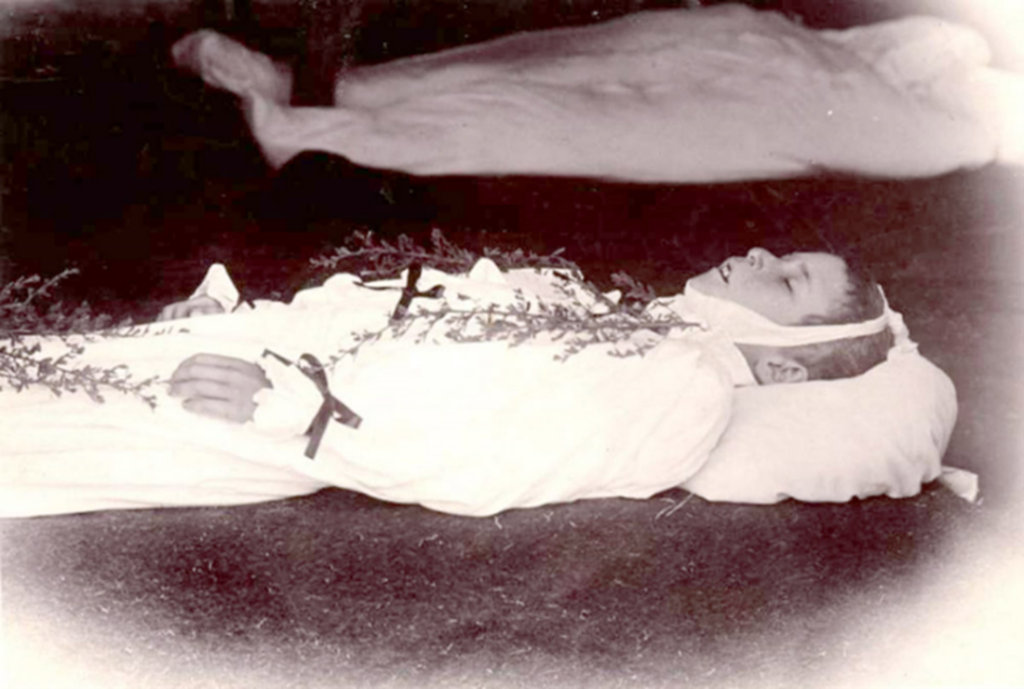
The true cost of the war and the concentration camps was the loss of approximately 28,000 Boers, of which 22,000 were children. The camp deaths represented 10% of the Boer population of the Boer Republics. This figure displayed how desperate the situation was for the surviving families.
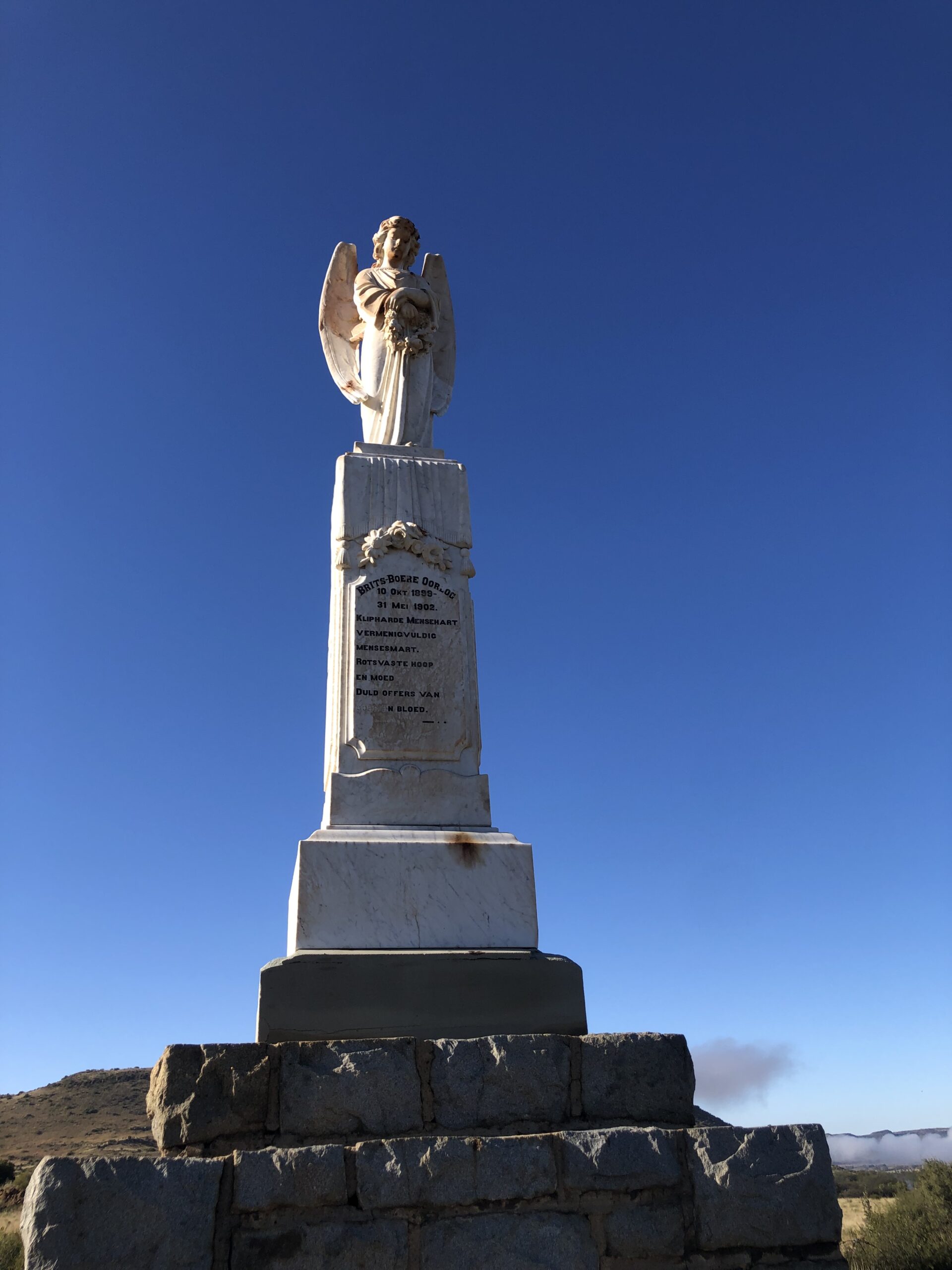
The Bittereinders or Bitter enders fought resolutely till the end. The Peace of Vereeniging was signed on May 31st, 1902. A long, drawn-out war had finally come to an end.
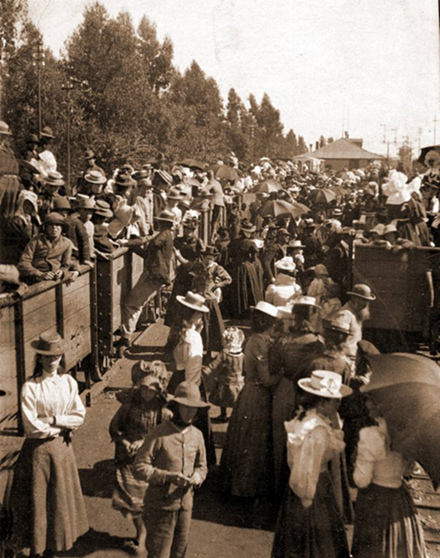
The 2nd Anglo Boer War was the first war to be properly photographed which offered many insights into the war’s impact on civilians which had been impossible before. By examining the photographs alongside the satirical prints, we were able to establish that both forms of media had the ability to affect change politically as well as on a humanitarian level.